
The Principality
Eleven districts, eleven ways to live in Monaco
Monaco is barely two square kilometres, yet the districts are genuinely different from one another — in what gets built there, who lives there, and how long it takes to walk anywhere.
The map below is the fastest way in — point at a district and it will tell you what it is, tap it and you are on its page. What this index adds is the part a map cannot: how the eleven relate to one another, and how to get from eleven names down to the two or three worth walking.
Tap a district on the map, or choose one from the list below.
The eleven
One page each, and none of them is a summary
Every page covers the same four things — what the district is, what is built there, what it is like day to day, and who it suits — with whatever we are holding there now at the top of it. Three of the eleven are not official districts at all: Carré d’Or, Port Hercule and Mareterra are names the market uses for parts of larger districts, and each page says which it is.
Monte-Carlo
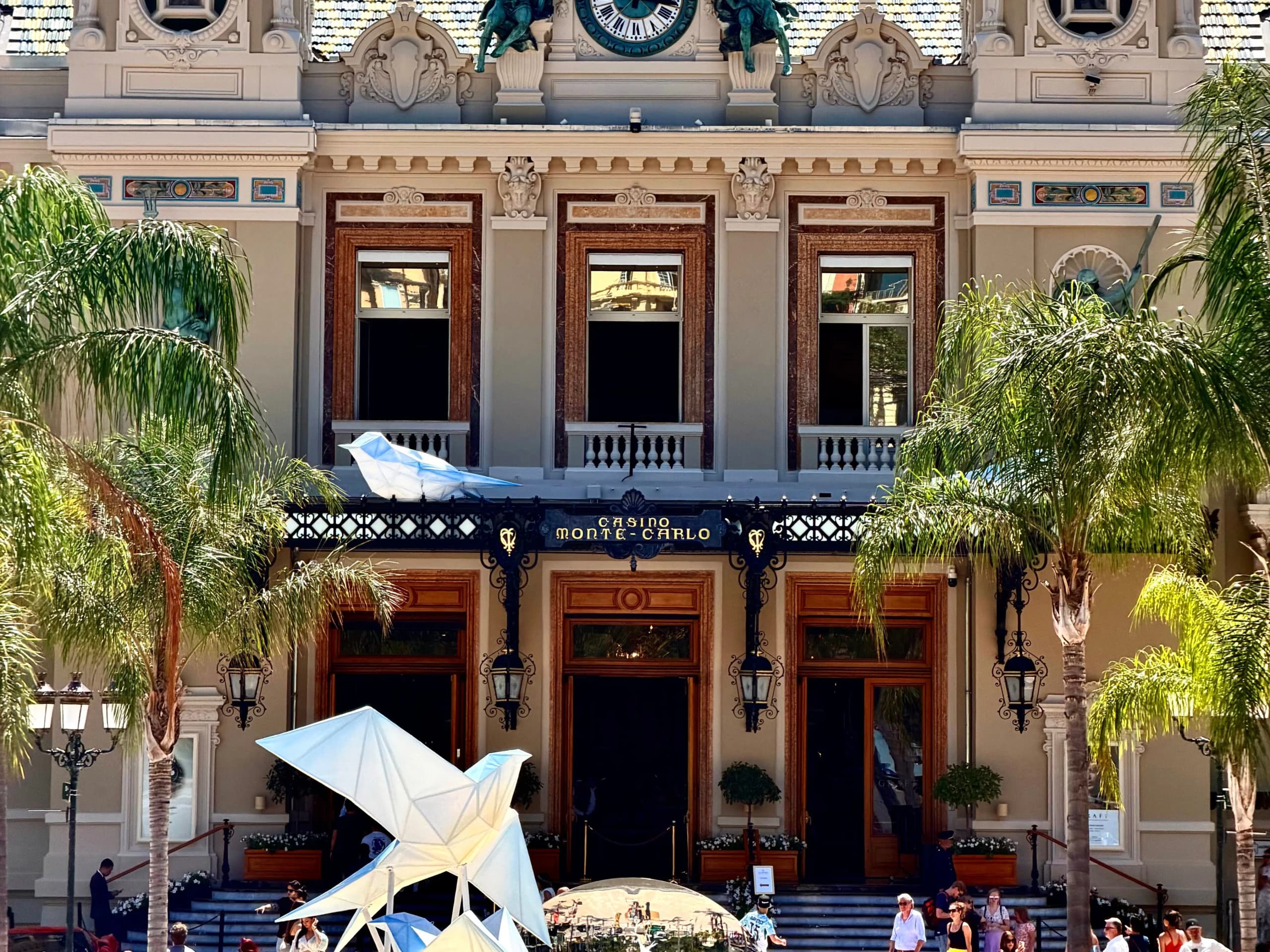
The legendary heart of the Principality
Carré d’Or
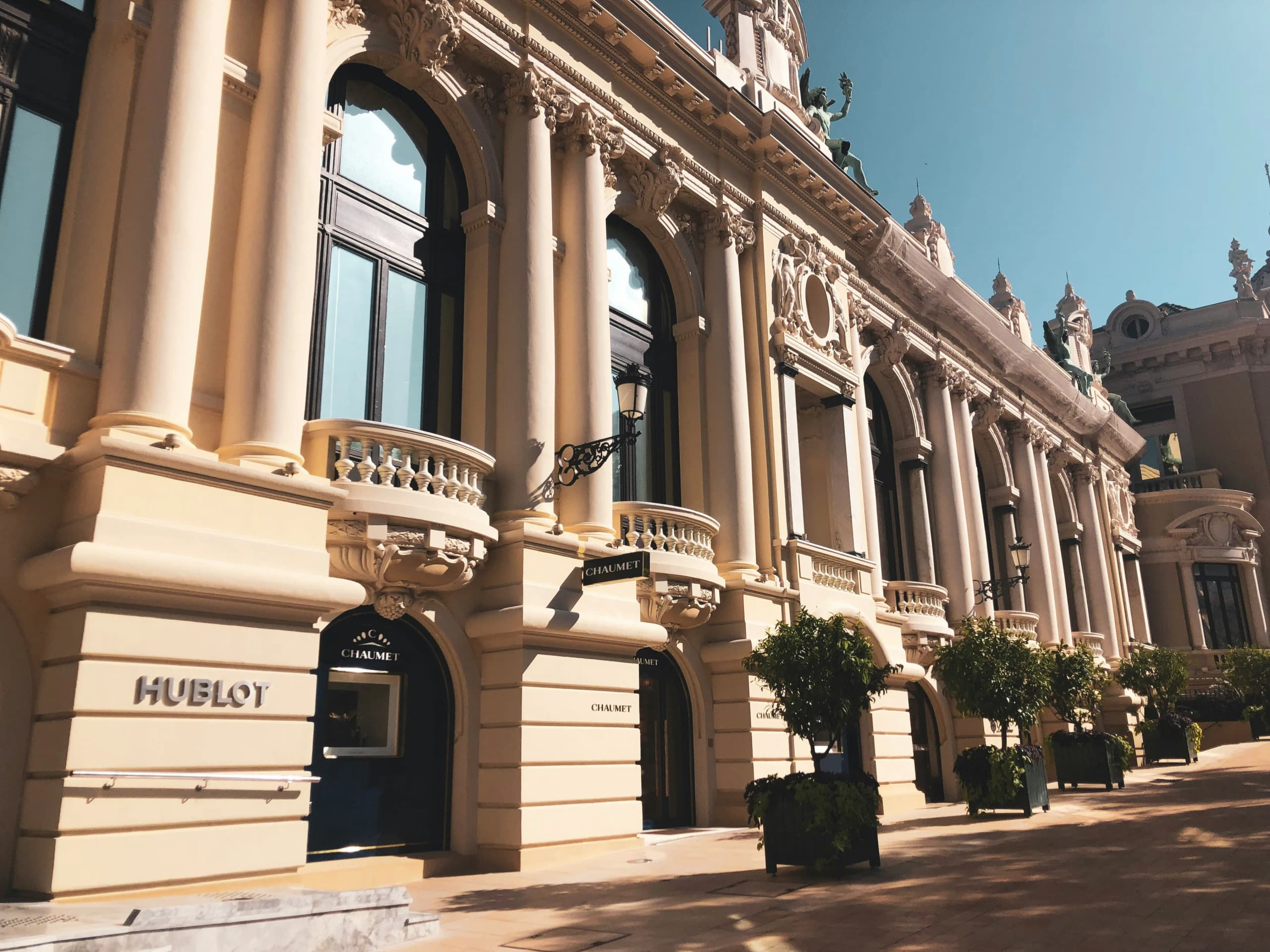
Monaco’s golden square — the most prized few streets
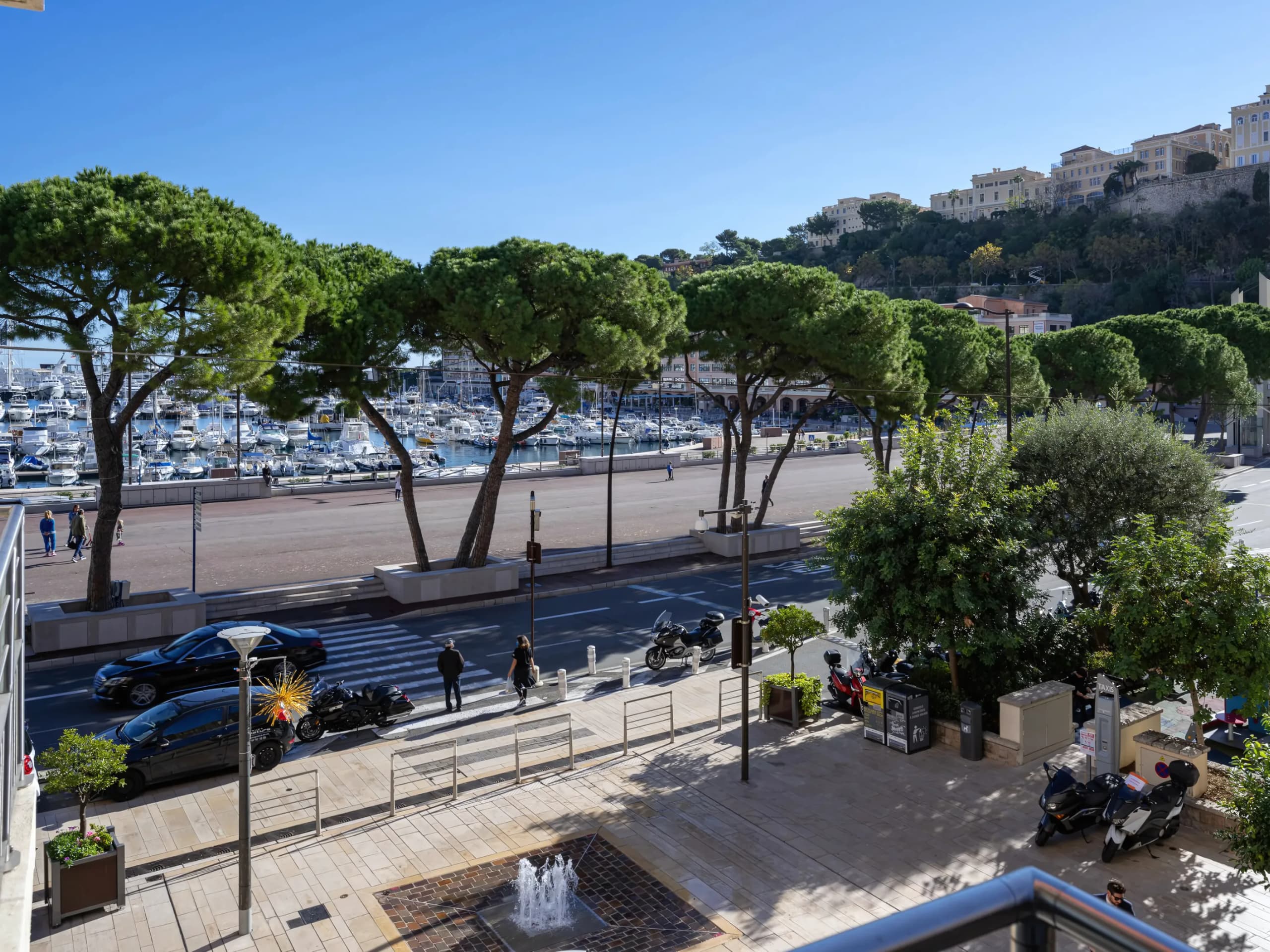
La Condamine
The working harbour and the daily life of Monaco
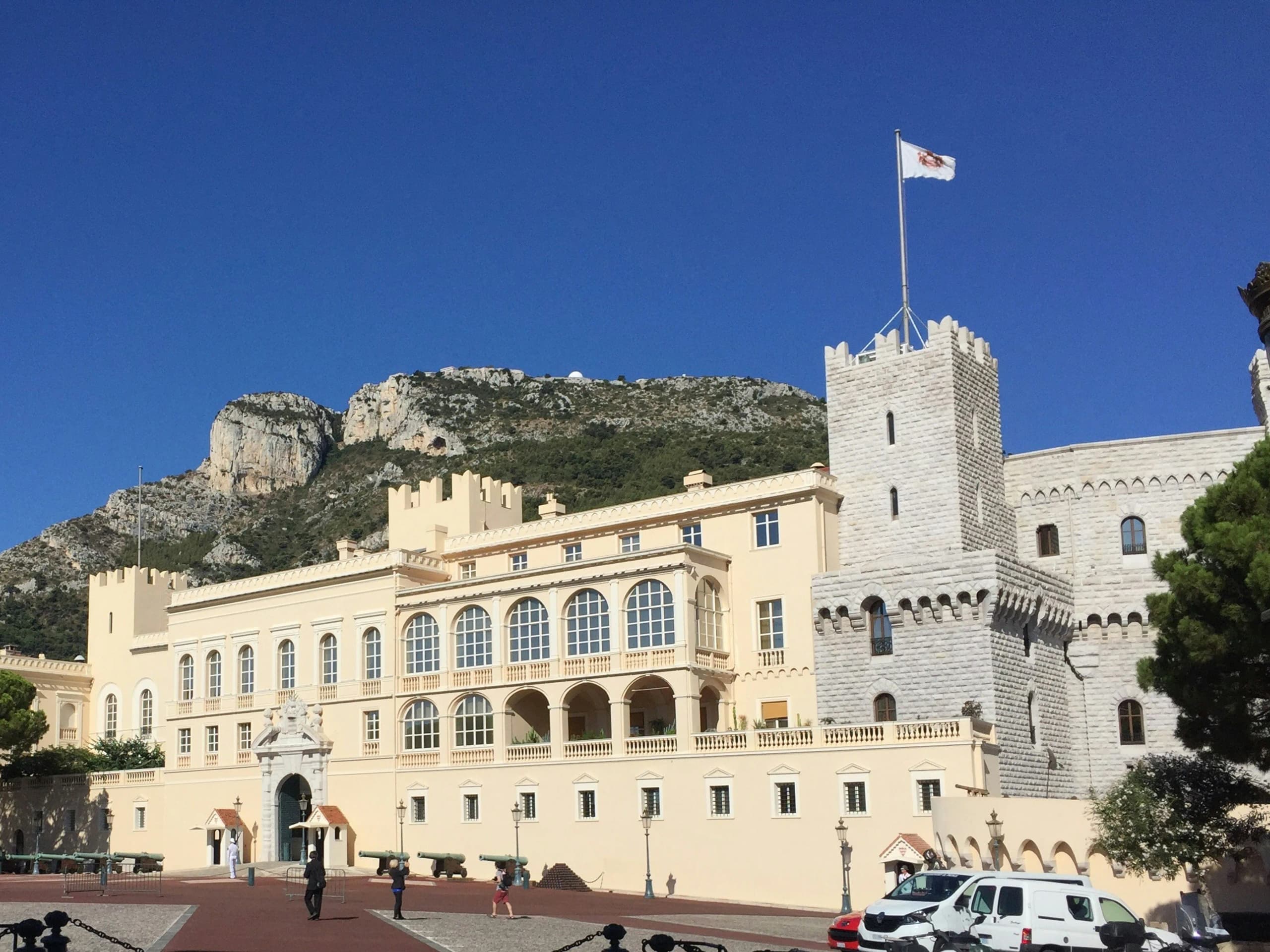
Monaco-Ville
The Rock — the old town and the Palace
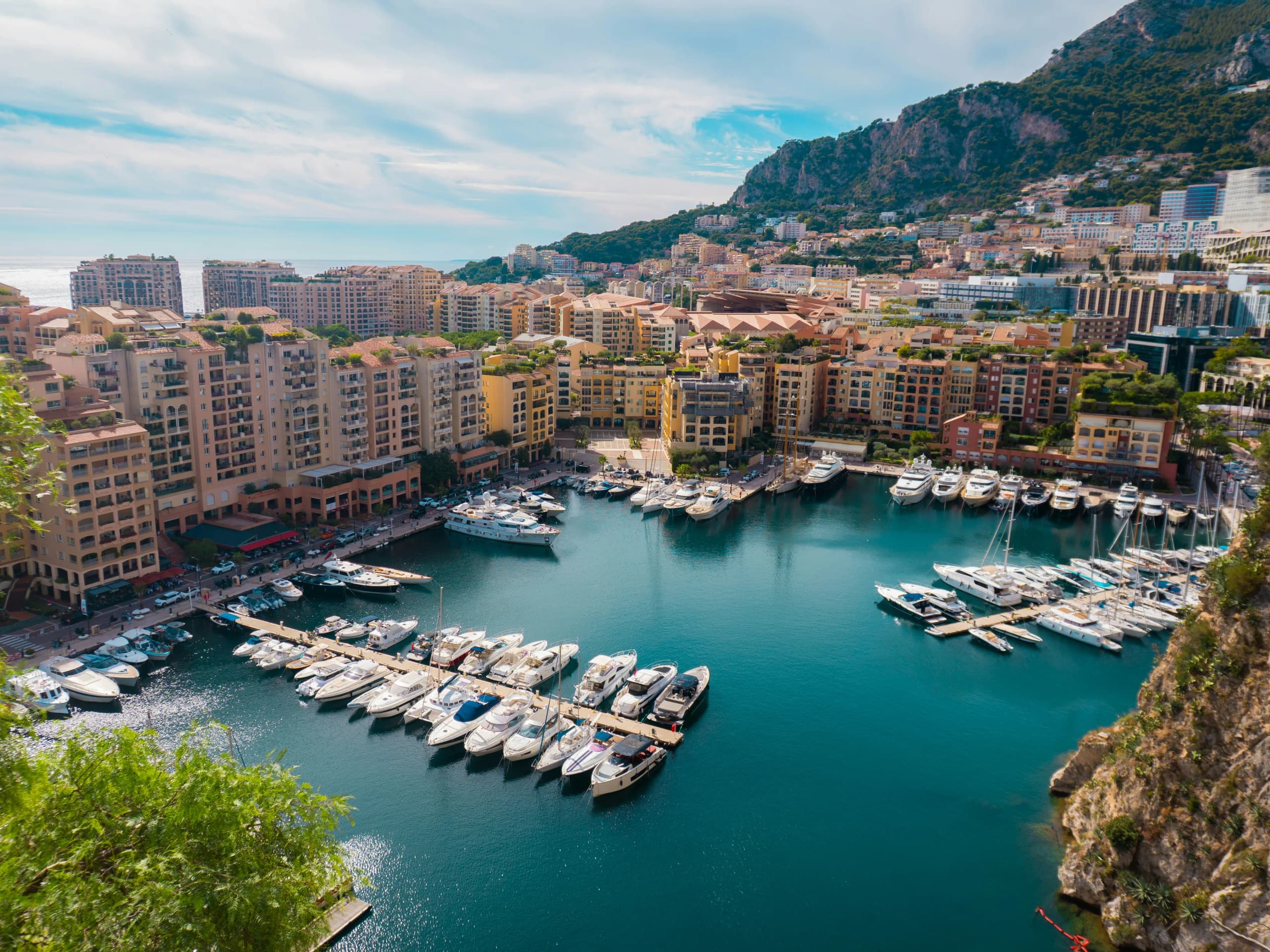
Fontvieille
Reclaimed from the sea — green, calm and family-minded
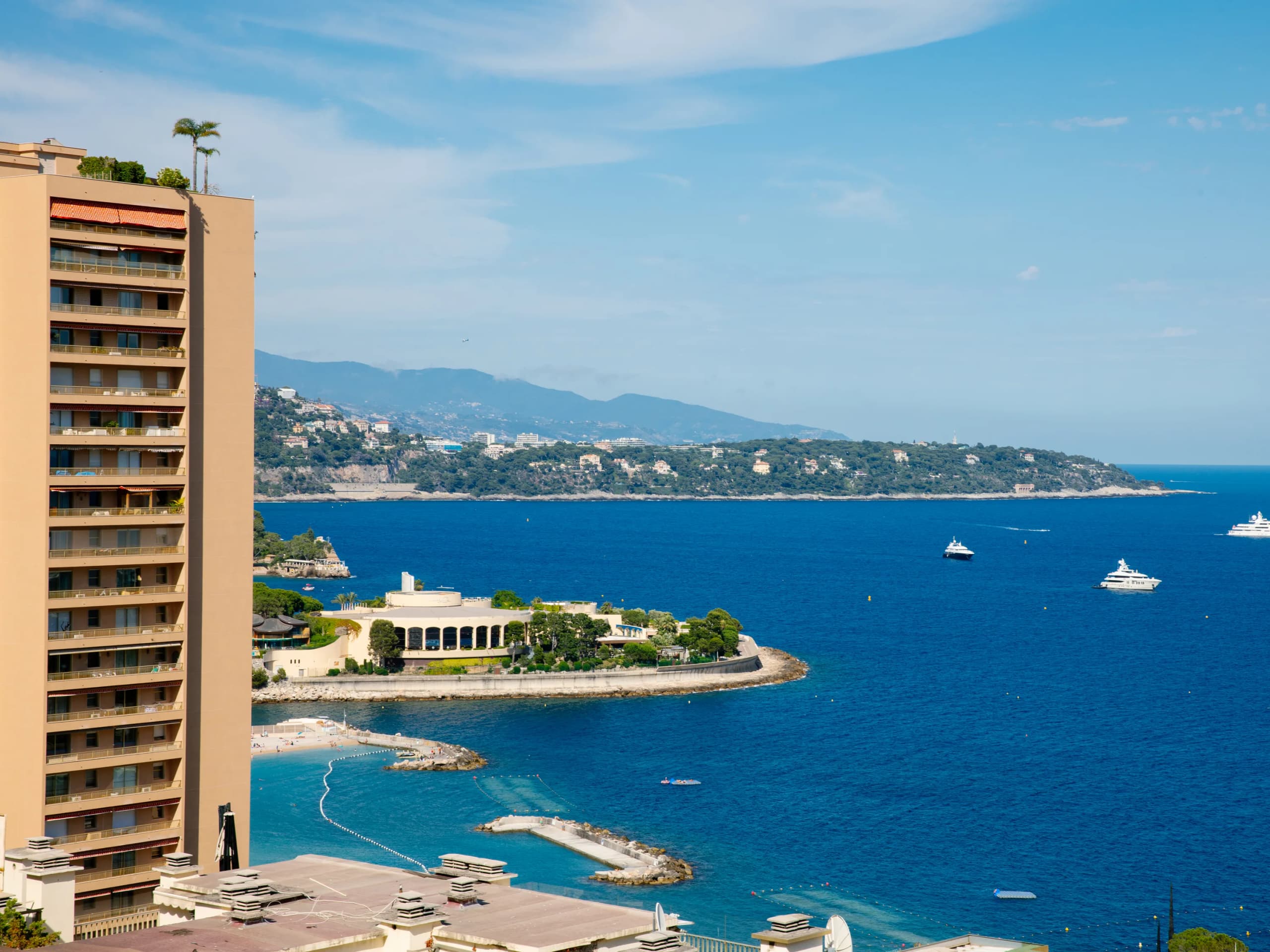
Larvotto
Monaco’s beach district, newly reborn
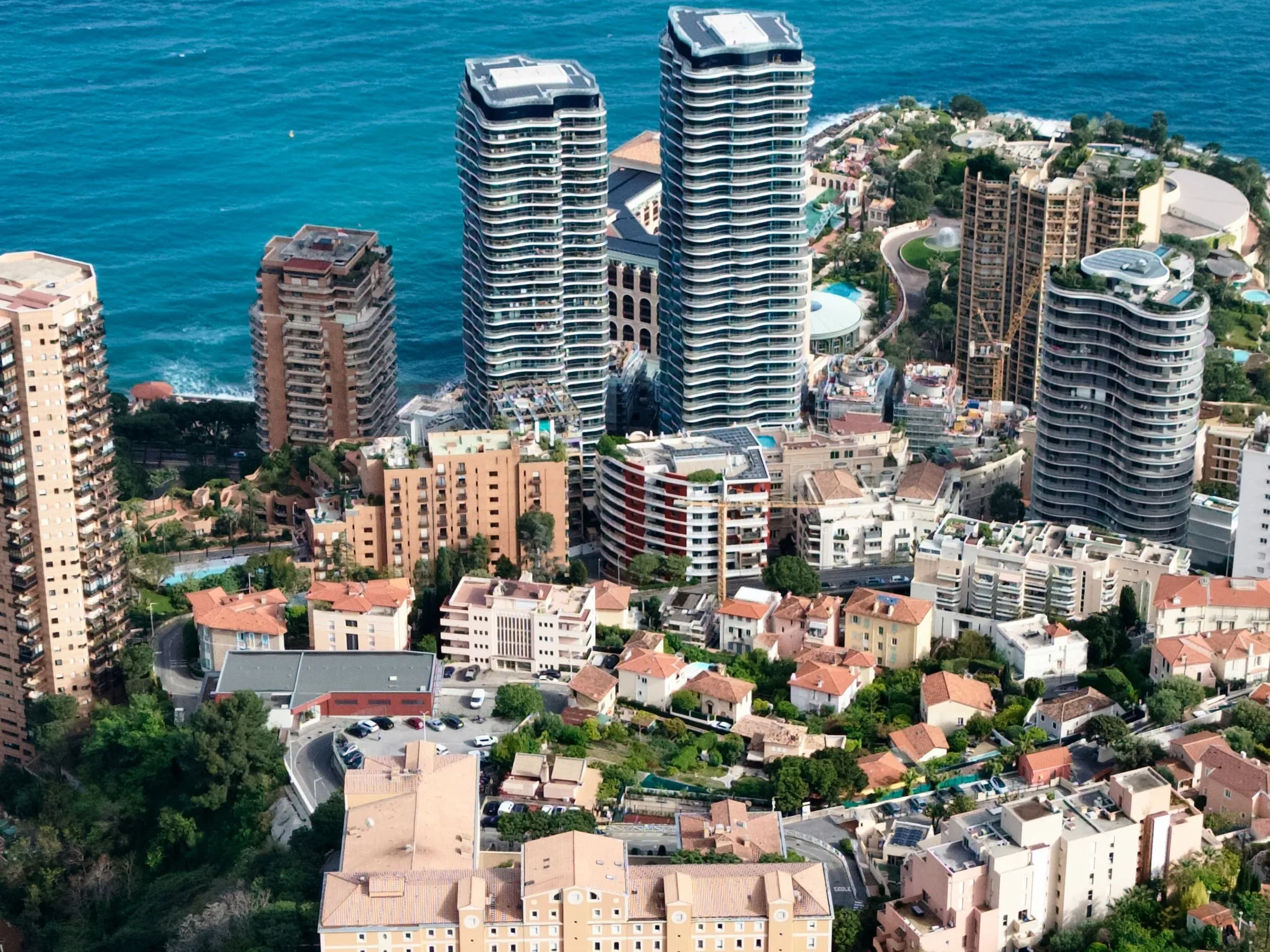
La Rousse – Saint-Roman
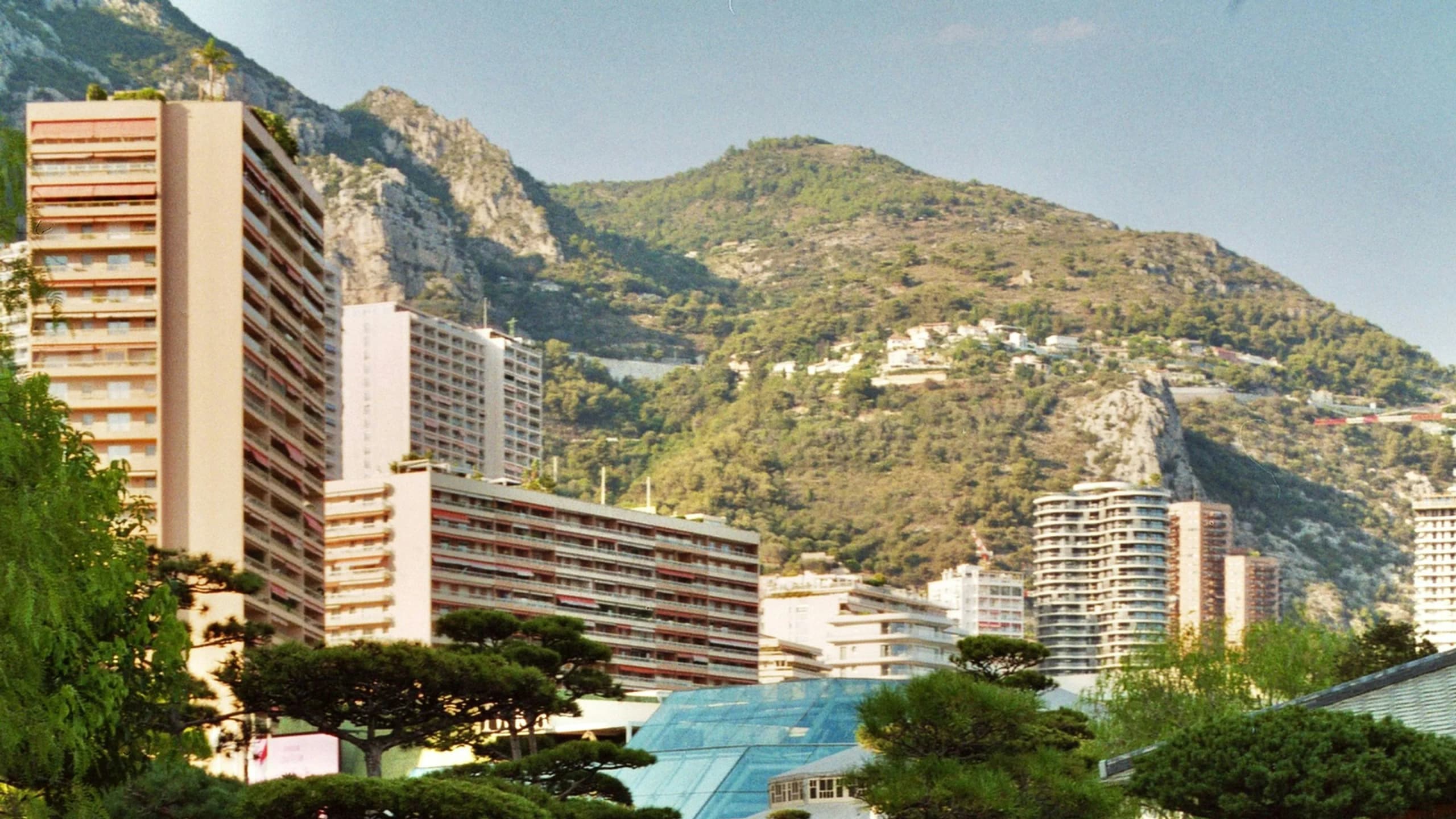
Towers with the widest views in Monaco
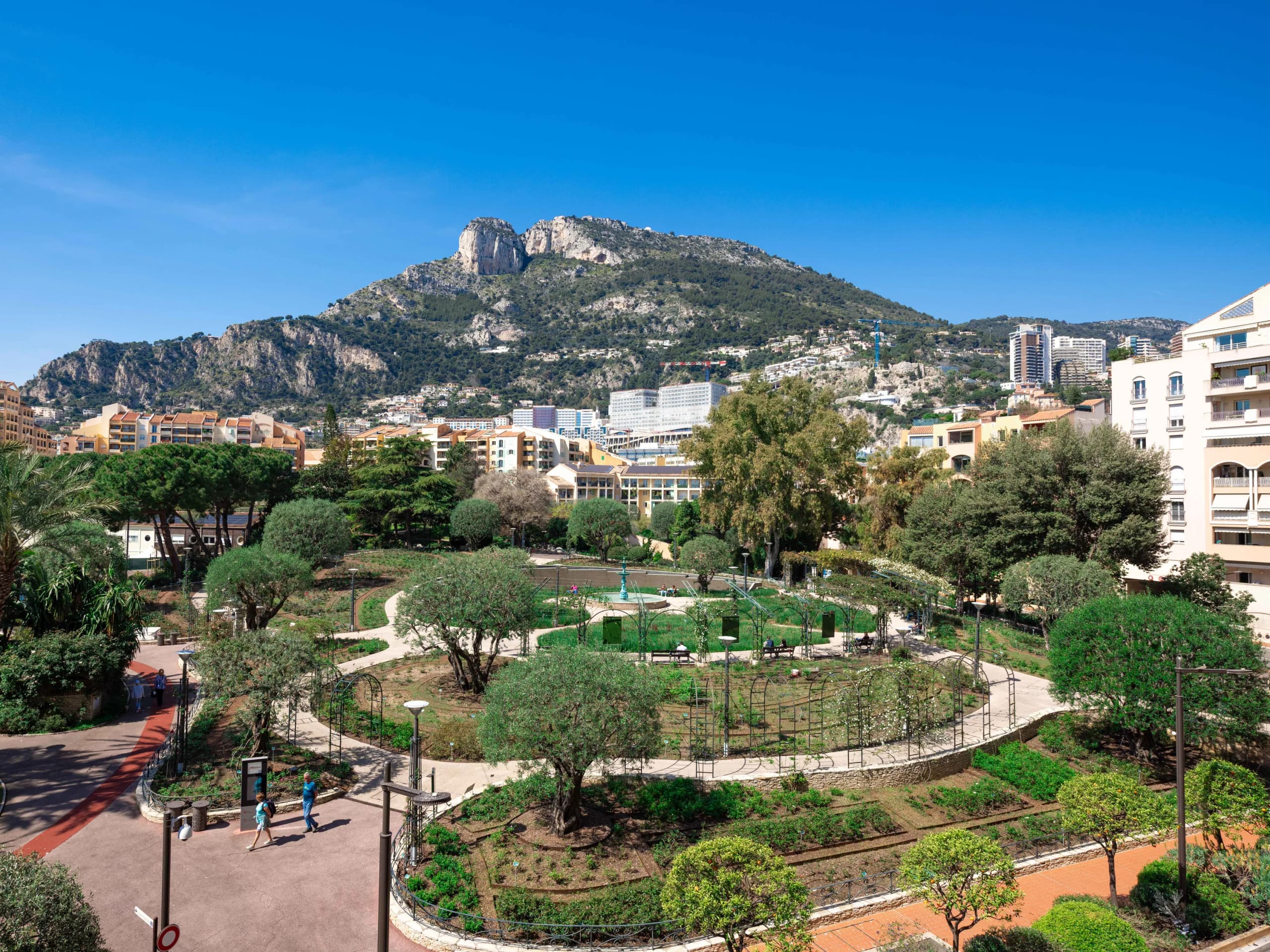
Jardin Exotique
High above the sea, with the light and the panorama
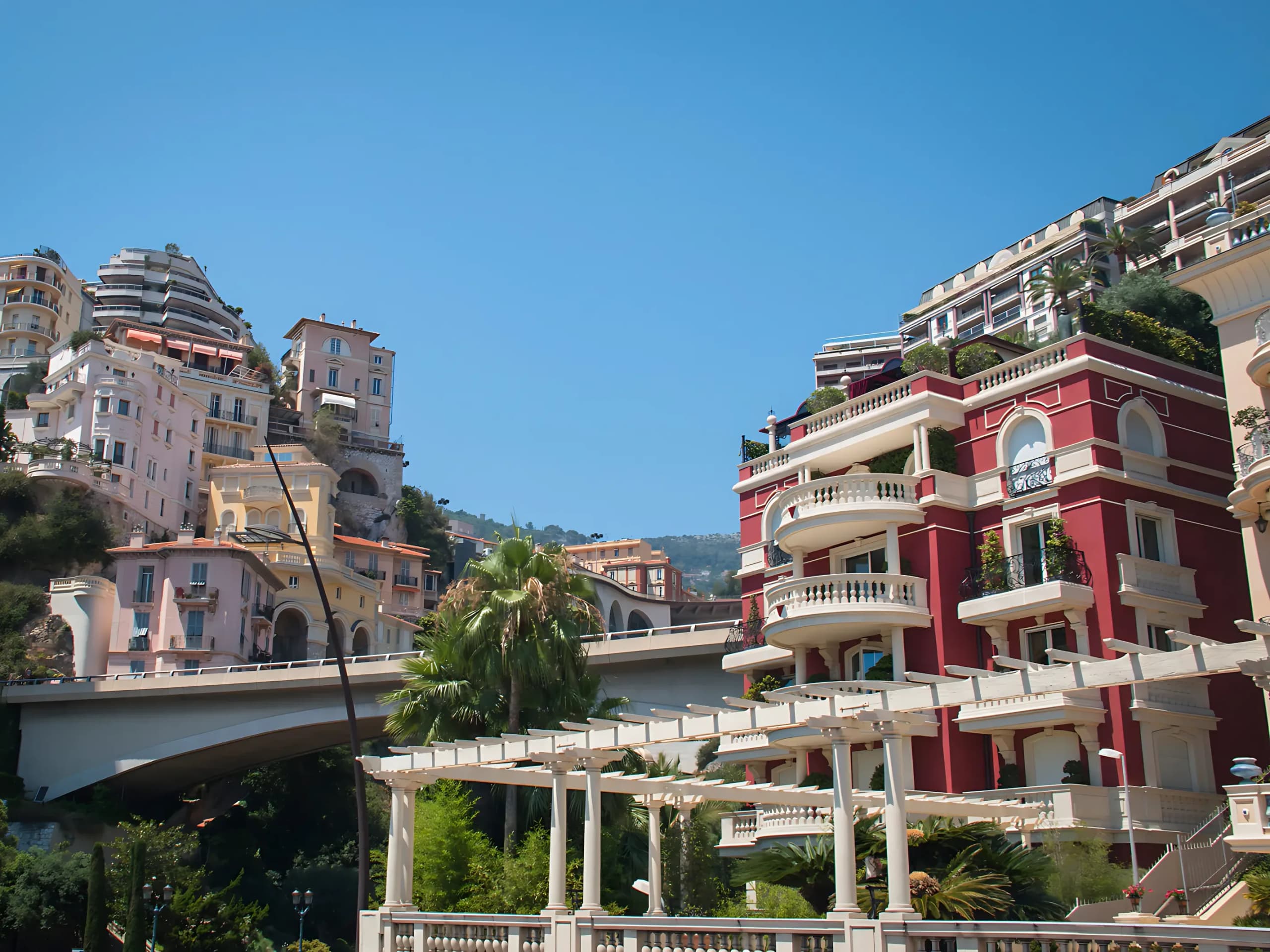
Moneghetti
Residential, leafy and well connected
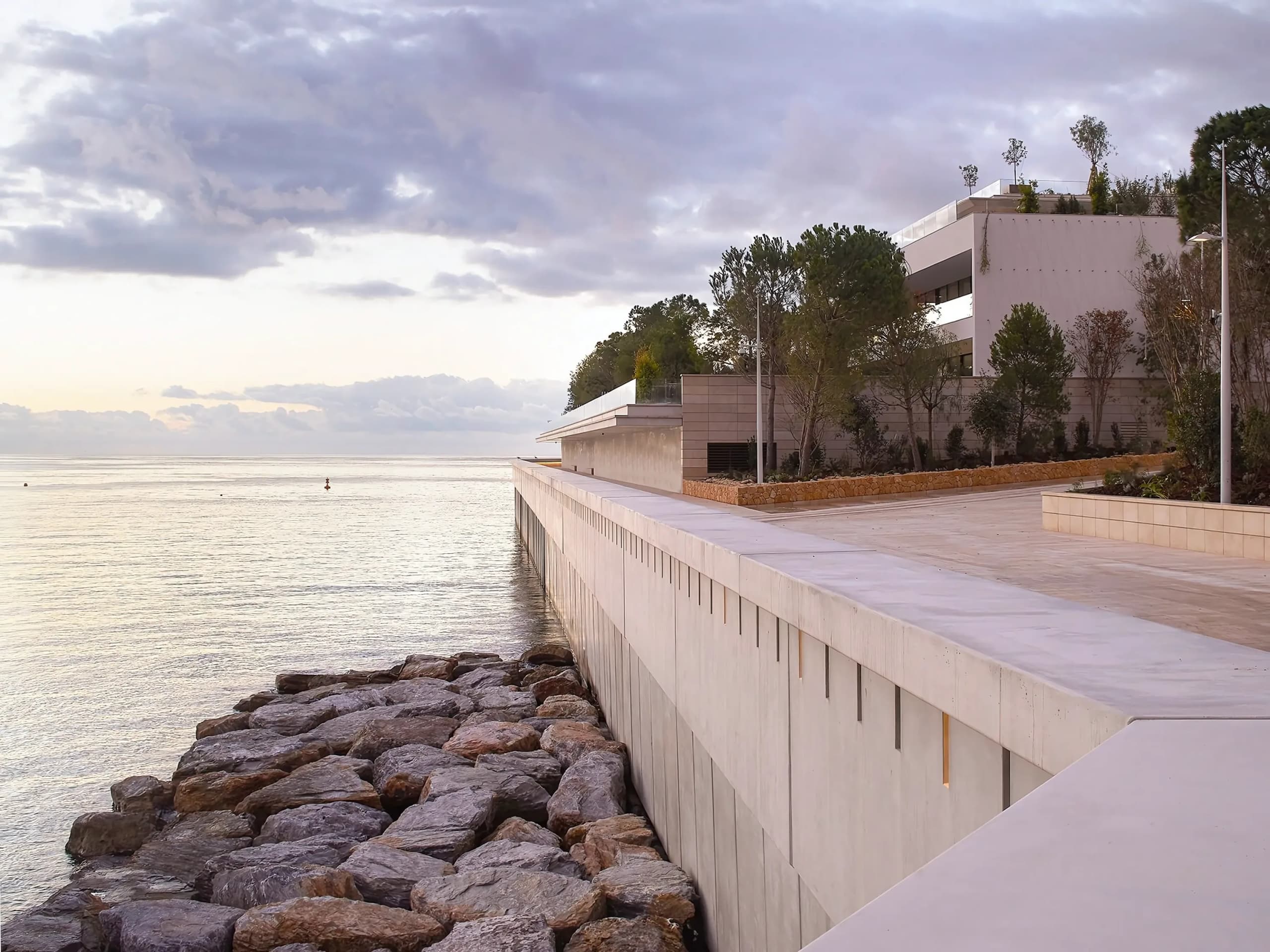
Mareterra
Monaco’s newest address, built out over the water
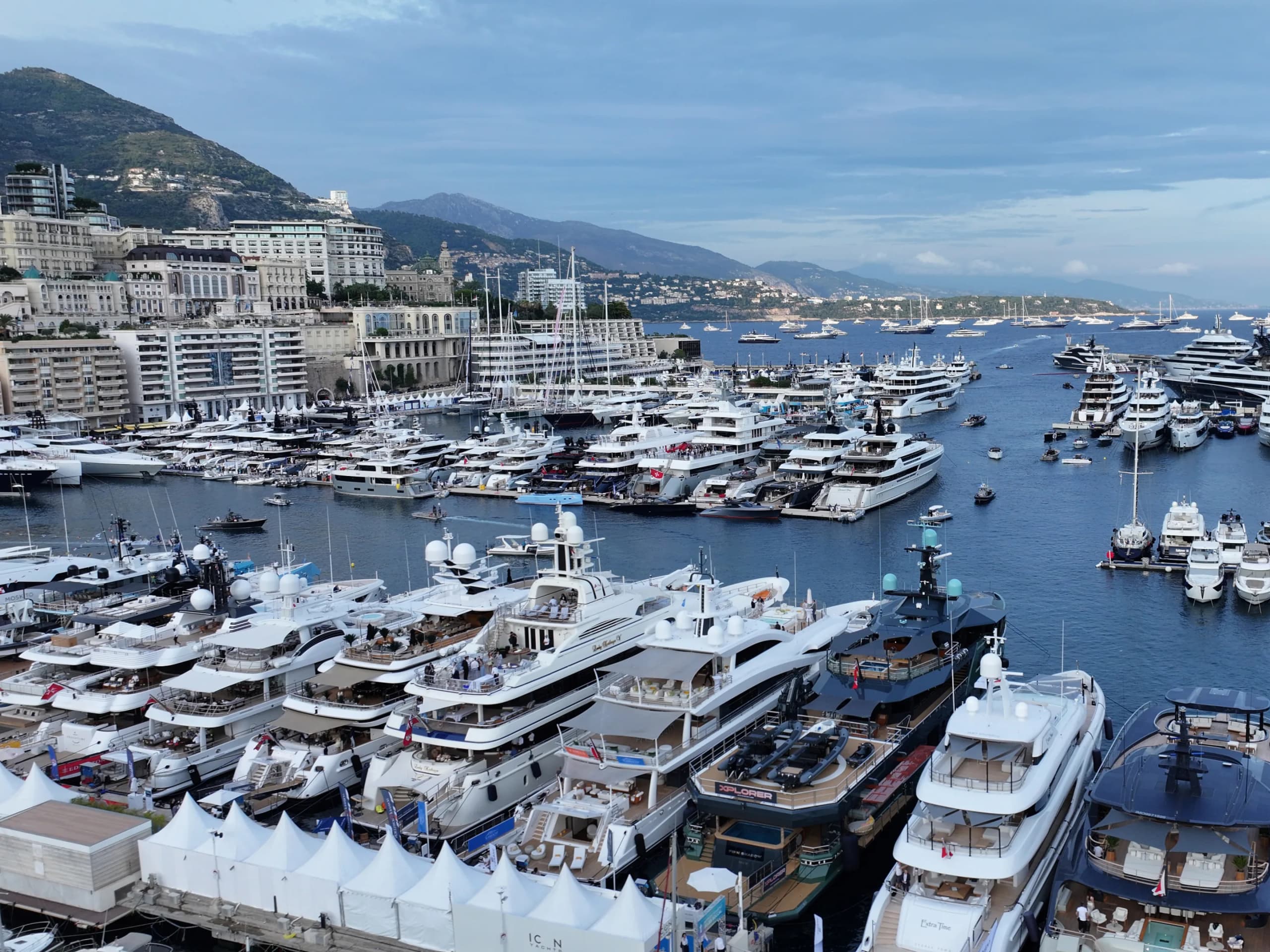
Port Hercule
The harbour — the Principality’s front row
How they differ
Four kinds of place, not eleven
Eleven names is more than anyone needs on a first pass. In practice the Principality sorts into four kinds of place, and deciding which of the four you are after removes most of the list in an afternoon. None of this replaces the pages themselves — it is the order to read them in.
The waterfront
Flat ground, and the sea at the end of the street. A marina of its own at Fontvieille, the quays at Port Hercule, the Principality’s only real beach at Larvotto, and new build on made ground at Mareterra. It is also the half of the country the calendar takes over: the circuit in spring, the port full in September, the whole of it busy in August.
The Rock
One district, and a category of its own. Medieval lanes on a flat-topped plateau above the sea, a core closed to vehicles, almost nothing modern and very little of anything coming to market. Who may drive up and when a delivery may arrive are decided for you. What you get in exchange exists nowhere else in the Principality.
The centre, and the towers
Belle Époque frontages around the Casino, the few streets behind them that everyone calls the Carré d’Or, and — at the eastern edge, where the land climbs toward the French border — the landmark towers whose upper floors see from Cap Martin round to the Rock. This is the Monaco people already picture, and the addresses they can already name.
The town, and the hillside
Behind the harbour is where the Principality is most like an ordinary town: a morning market, cafés, a street you do the shopping on. Above it the ground goes up in terraces — quieter, greener, and further from the sea by height rather than by distance. The public lifts are how residents cover that height, and once you know where they are the map reads differently.
Narrowing it down
What actually decides it
Six questions do most of the work, and every one of them is a question about the district before it is a question about the apartment. Asked in this order they turn eleven into three.
How far you will walk, and how far up
Monaco is small on paper and steep in life. Two addresses that look adjacent on a map can be a level stroll or a long climb apart, and which one depends on whether a public lift runs between them. Walk it once before you accept that something is close.
Which way the slope faces
Orientation counts for more here than in a flat city, and on a hillside it is settled at the scale of the district rather than the building: a whole slope faces one way. A room on the wrong side of one sees very little sun in January, and no photograph taken in June will tell you that.
What the year does to your street
The Grand Prix circuit runs through several of these districts, and building it and taking it down closes roads for weeks either side of the race. The port fills for the Yacht Show in September and for the Christmas village after the national holiday. Being on the circuit is a fact about an address, not a footnote to it.
New build, or not
The stock is not spread evenly. Fontvieille and Mareterra are modern by construction — both stand on ground reclaimed from the sea — and the Rock is old-town houses and almost nothing else. If ceiling heights, a parking space and a lift that has recently been done matter to you, that alone removes half the map.
What is on the ground floor
A district with shops under it is not lived in the same way as one without. La Condamine has a market you can walk to and a street you do the daily shopping on; the Rock has a pharmacy and a post office and goes downhill for its food. Neither is better than the other. They are different weeks.
The car, and where it goes
Plenty of residents keep one and use it rarely. A space is often bought or rented separately from the flat, and buildings frequently have fewer spaces than apartments — so where the public car parks are is a district question as much as a building one. On the Rock the main one is public, and shared with the day visitors.
Not one of the six is answered by a photograph, and not one of them appears in a listing. That is the reason this index exists at all.
What a map cannot say
Eleven names are worth less than one morning
The map gives you positions. These pages give you character. Between them they will get you to a shortlist — and neither will tell you what a street sounds like at eight in the morning, which side of a building loses the light first, or whether the walk you have just measured is a walk or a climb.
That part is a morning’s work, and it is ours. Three or four districts in an order that makes sense, at the hour you would actually be there — and we say the things we would not print, including when we think you are looking in the wrong place.
Walk them with us →Before the districts
Some of this is not a district question at all
A good deal of what people ask us while comparing districts belongs one level up. That is a page of its own, written under the same rule as this one: we describe, we do not advise, and where a question has an official answer we point at it.
How the country is laid out
Two square kilometres, most of them vertical, and the free public lifts that make a flat map misleading.
What arriving involves
Residency, schools and healthcare in outline, and the official source for each — because none of it is ours to advise on.
What a year here is like
The calendar every resident knows by heart, and the parts of it that belong in a lease before it is signed.
Or start from what is available
Every district page opens with what we are holding there, and the search takes a district as a filter — so this works from either end. A real part of what we handle is not on the site at all, which is the one thing an index like this can never show you.