
Living in Monaco
A short orientation to a small place
Monaco is about two square kilometres, and almost everything about the property market follows from that. There is very little land, very little new build, and no meaningful outward expansion — so the same buildings change hands repeatedly, and knowing them individually matters more than knowing the market in aggregate.
The shape of it
Two square kilometres, and most of them vertical
Monaco is small enough to cross on foot and steep enough that nobody does it in a straight line. The country climbs from the sea to the frontier in a series of levels, and the practical distance between two addresses is as much a question of height as of metres. Public lifts and escalators run through the hillside, free and open to anyone — so a flat that looks a long way from the station on a map is often four minutes from it, through a lift you have not noticed yet.
Every address in the country is inside that outline. The minutes are a flat walk in a straight line, which is the one journey nobody makes here — the hillside adds to them and the public lifts take them back, and which of the two you get is a question about the building rather than about the distance.
On foot
Almost everything is walkable, and residents walk far more than visitors expect. The exceptions are the climbs — which is exactly what the lifts are for.
The train and the airport
The station is underground and sits in the middle of the country, with the coast either side of it an easy ride away. Nice airport is roughly half an hour by road in ordinary traffic, and a few minutes by helicopter.
Buses, and the lifts
A small bus network covers the whole country and no journey on it is long. The public lifts are the other half of the system, and the half locals use without thinking about it.
A car, and where to put it
Plenty of residents keep one and use it rarely. Parking is its own subject: a space is often bought or rented separately from the flat, buildings frequently have fewer spaces than apartments, and the public car parks are used as a matter of course.
Start with the districts
Eleven of them, and they are genuinely different from one another — in what gets built there, who lives there, and how long it takes to walk anywhere. This is the part worth reading before you look at a single property.
All eleven districts →- Monte-CarloThe legendary heart of the Principality
- Carré d’OrMonaco’s golden square — the most prized few streets
- La CondamineThe working harbour and the daily life of Monaco
- Monaco-VilleThe Rock — the old town and the Palace
- FontvieilleReclaimed from the sea — green, calm and family-minded
- LarvottoMonaco’s beach district, newly reborn
- La Rousse – Saint-RomanTowers with the widest views in Monaco
- Jardin ExotiqueHigh above the sea, with the light and the panorama
- MoneghettiResidential, leafy and well connected
- MareterraMonaco’s newest address, built out over the water
- Port HerculeThe harbour — the Principality’s front row
Arriving
The paperwork, and who actually answers for it
We are estate agents. Nothing below is advice, and none of it replaces the official source or a professional who has read your particular case. What we can do is describe the shape of it, so that you know what you are asking about and who to ask.
Residency, in outline
Living here for more than a few months means applying for a residence card. The order of it matters: the file is built around an address in Monaco, so the accommodation — a deed, a lease, or a written attestation from whoever is housing you — generally has to exist before the application does. Nationality decides the first step, and applicants from outside the European Economic Area deal with a French consulate before Monaco at all. Cards are issued for a fixed term and renewed, with longer terms as residence lengthens.
Schools
The state schools teach in French and follow the French curriculum, with Monegasque language and history alongside it; there is also an English-language international school in the Principality, and families regularly look across the border in France as well. Whichever you choose tends to decide which part of the country you want to live in, because the school run here is a walk rather than a drive.
Healthcare
The Principality has its own social-security system and its own hospital, and which cover applies to you depends on your situation — employed here, self-employed, or neither. That is a question for the Caisses Sociales rather than for us. In practice residents also use the specialists and clinics along the coast, which are close enough to be part of ordinary life.
Requirements, documents and procedures change, and only one place is authoritative about them. Read it there, and take advice from someone qualified to give it — we will gladly introduce you to the people in Monaco who do this for a living.
Government of Monaco — the official portal →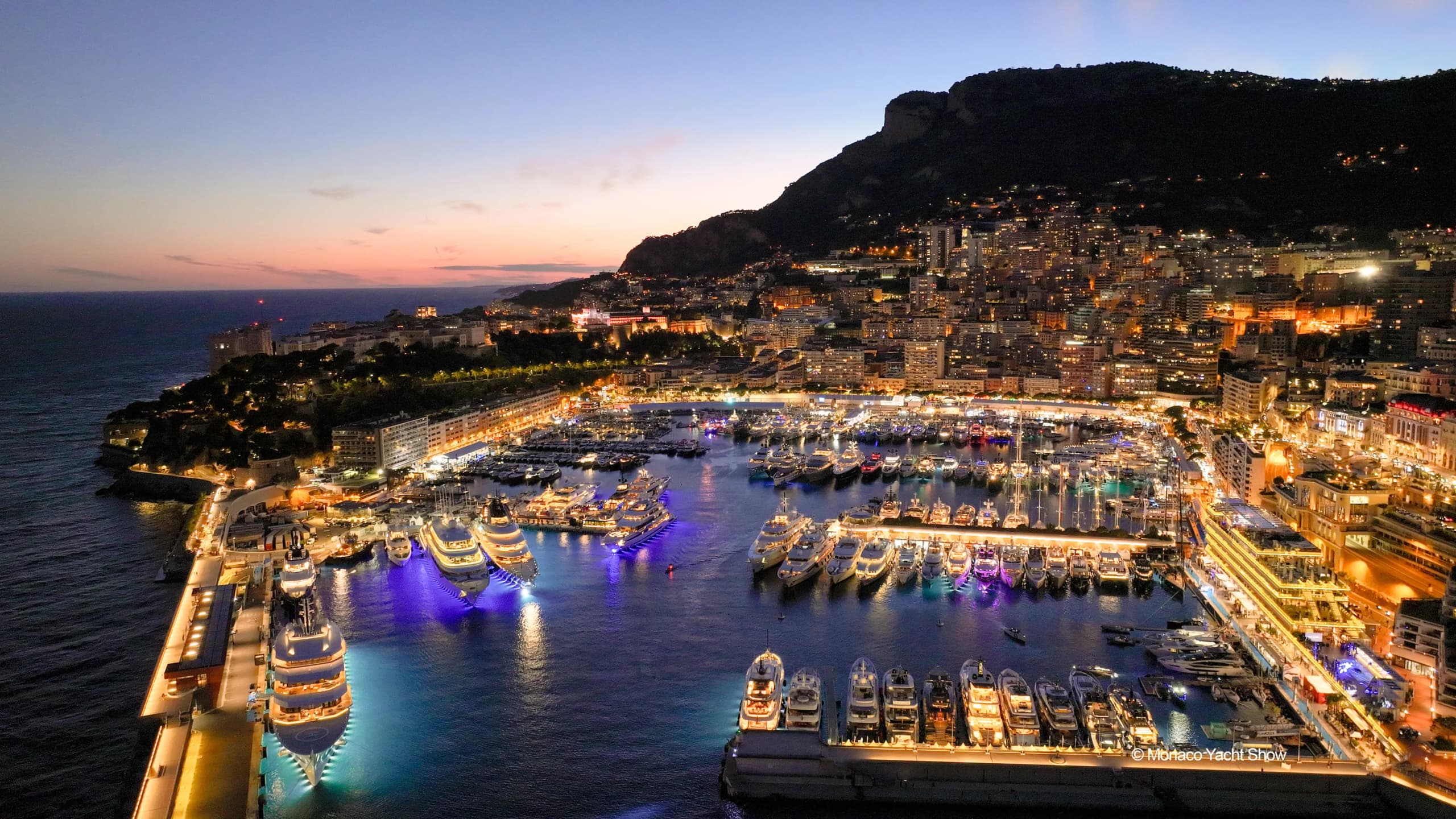
The year
A year here has a rhythm
Monaco fills and empties on a calendar everybody here knows by heart. It matters most to anyone renting for a season, and to anyone whose windows open onto the circuit.
Dates move from one year to the next. The ones that matter to a lease are worth checking before you sign it, and we will check them with you.
Winter
Quiet, mild, and the season the rally comes through. It is also the honest time to view a flat: no crowds, low sun, and you can see exactly how much light a room gets in January.
Spring
The tennis — played just over the border in France, which surprises people — and then the Grand Prix. Grandstands, fencing and pit structures go up over the streets for weeks either side of the race, and parts of the country close to traffic for the weekend itself. If a flat is on the circuit, that is a fact about the flat.
Summer
Hot and full, with the beach clubs open at Larvotto. August empties the offices and fills the port — and seasonal lets are agreed months earlier than most people expect.
Autumn
The Yacht Show takes the port in September, the schools go back, and the property year restarts with them. It is the stretch when most of what has been waiting comes to market.
The nineteenth of November
The national holiday, and the day the Principality is unmistakably a country rather than a market. The Christmas village arrives on the port shortly after it.
Daily life
What living here is actually like
The first thing residents mention is that they stopped thinking about safety. The second is how small it is: you will see the same faces at the same bakery, and discretion is less a service the Principality sells than a condition of ordinary life in it.
French is the official language and the one the administration works in; Italian and English are everywhere, and a great many households run in two or three at once. Daily shopping is the market at the Condamine and whatever is on the way home — the large weekly shop is often done in France, which is minutes away.
And something is always being built. A country this size renews itself by rebuilding, so the question is never only what is next door but what is planned there. That is one of the things we establish before you do.
Before you commit
What we look at in a building
Six things decide how a Monaco flat lives, and not one of them appears in a listing. This is the part of the job that is genuinely ours rather than a notary’s or a lawyer’s.
Which way it faces
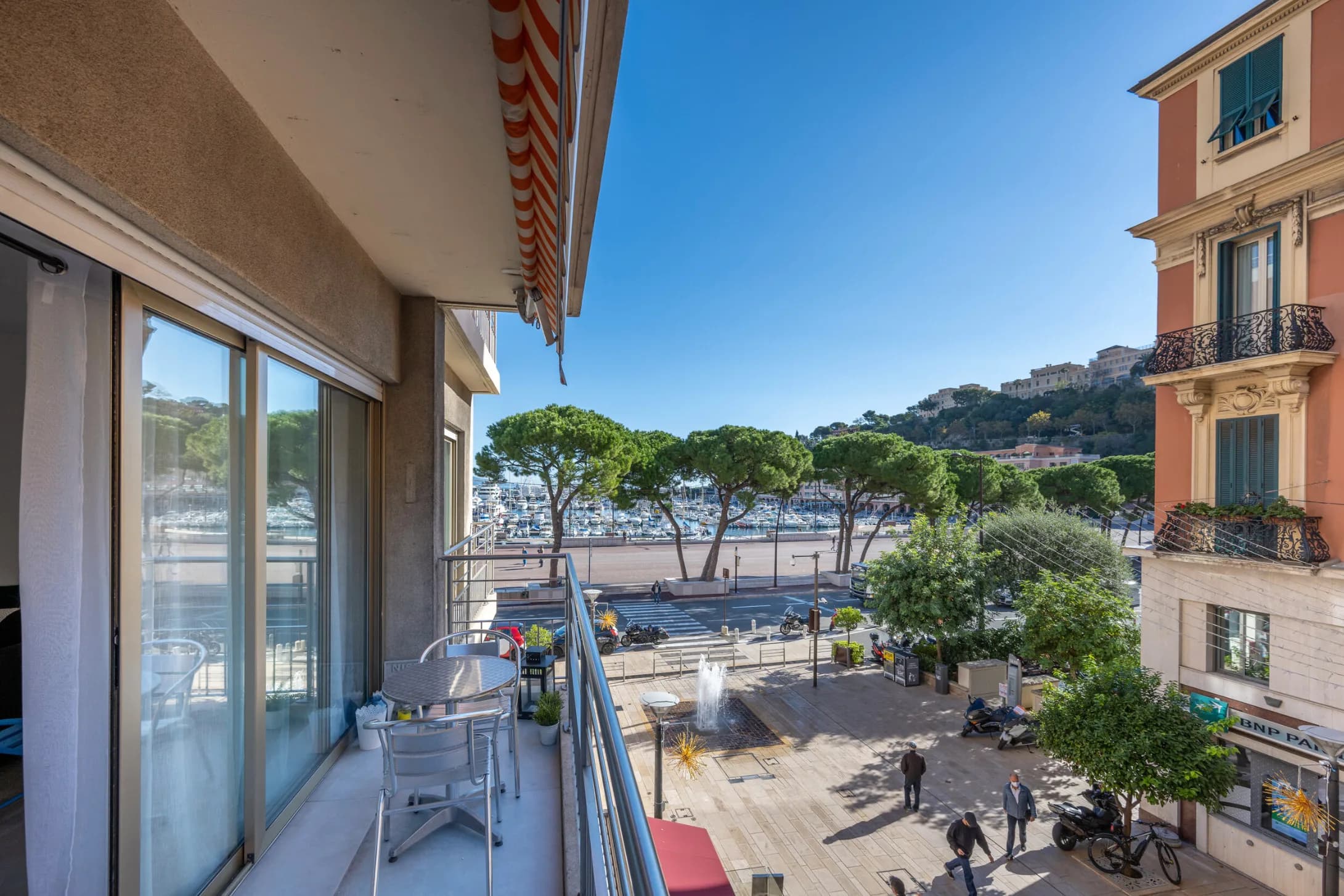
Orientation counts for more here than in a flat city. A room on the wrong side of a hill sees very little winter sun, and the difference between a morning terrace and an evening one is the difference between two homes.
The floor, and what is above it
Height brings light and quiet, and a plant room, a lift motor or a roof terrace in constant use can take them straight back. Ask what is on the floor above, and what is on the roof.
The view, and how long it lasts
A sea view is a fact about the buildings in front of it. In a country that renews itself by rebuilding, ask what is planned there — not only what is there.
The charges, and what they cover
They vary widely with what a building runs — concierge, pool, lifts, garden — and a works programme voted but not yet carried out is a real number that never appears in an asking price.
Parking and cellar
Often separate lots with their own price, sometimes in another building, occasionally absent altogether. Confirm what is included before anything else about the flat matters.
The building’s own life
Who the syndic is, how the entrance is kept, whether the lifts have been done. A well-run building is worth more than a well-presented flat inside a badly-run one.
What we answer, and what we do not
- Which buildings suit what you are after
- What a specific flat is realistically worth
- Whether a rental is open to you
- How a purchase or a letting actually proceeds, step by step
- What is available that is not advertised
- Residency applications
- Tax position
- Company structures
- Anything requiring a notary or a lawyer
We are estate agents, so we do not advise on any of the second list — but we work alongside the people in Monaco who do, and an introduction from someone they already know is worth more than a search engine.
Ask us the question this page has not answered
Longer pieces — on buying, on renting, on how the districts compare — are being written, and we would rather publish them with the figures checked than publish them quickly. Until then, the fastest way to an accurate answer is to ask one of us.